🇨🇺

Cuba

Caribbean · North America
16/25
Partly Safe

Is It Safe?

Safety blends official travel advisories and international datasets — combined and normalised onto a 0–25 scale, so destinations with fewer available sources are graded fairly.

3/5
5/5
3/5
2/5
0/5
3/5
5/5

Exercise caution — there are real risks that travellers should plan around. Civil liberties are tightly restricted and political expression can carry risk.

Regional breakdown

The current warnings apply to the whole island rather than to specific provinces. Both official advisories treat Cuba as one risk picture. That said, conditions on the ground vary a lot between Havana, the resort strip at Varadero. And the eastern provinces around Santiago de Cuba and Holguín. Havana is where most travellers land and where the power crisis is most visible day to day. Daily blackouts of up to 12 hours have been reported in the capital since late 2024. Hotels often run on generators, but shops, traffic lights, and water pumps frequently go down. Petty theft, pickpocketing, and bag snatching are reported across central Havana, including Habana Vieja and the Malecón. Outside the capital, blackouts tend to last longer and fuel is harder to find. Varadero, Cayo Coco, and Cayo Santa María still operate as resort enclaves, but transfers and excursions have been disrupted by fuel shortages. In the east, Santiago de Cuba, Holguín, and Baracoa are more exposed to storm damage and slower repair times. US Embassy staff face internal travel limits, which can shrink the help available to travellers outside Havana.

Recent advisory changes

The official advisory guidance updated its Cuba page on 2 April 2026 and now warns against all but essential travel to the country. The trigger is the collapse of basic services rather than political violence. The notice points to nationwide power cuts, fuel shortages. And the fact that Cuba's international airports have run out of aviation fuel at points in recent weeks. Several carriers, including Canadian operators, Air France, and LATAM, have cut or suspended flights. The official advisory guidance warns that the situation can get worse quickly and with little notice. The official advisory guidance last reissued its Cuba advisory on 7 May 2025 at Level 2, Exercise Increased Caution. It has not moved to Level 3 or Level 4, and there is no ordered departure for US government staff. The US notice focuses on rising violent crime, including armed robbery and homicide, alongside the long-running blackouts that began in October 2024. It also reminds travellers that tourist travel to Cuba is restricted under US law and generally requires an OFAC licence. The gap between official advisories positions reflects different thresholds rather than different facts on the ground.

What travellers should know

Anyone still planning a trip should treat power, fuel, and cash as the main planning problems. Card payments are unreliable, ATMs often sit idle during blackouts, and US-issued cards do not work. Bring enough euros or pounds in cash to cover the full stay, and split the money across bags. Book accommodation that has a working generator and confirm it in writing. Keep phones, power banks, and torches charged whenever electricity is on. Medical care is under heavy strain. Hospitals report shortages of medicines, anaesthetics, and basic supplies, so travellers should bring a personal medical kit and any prescription drugs in original packaging. Comprehensive travel insurance with medical evacuation cover is important, and it should be checked against official advisory guidance wording. Since some policies void cover when a government warns against travel. Avoid large gatherings and protests, follow instructions from local authorities, and keep valuables out of sight in Havana and on intercity routes. Register for official advisory guidance email alerts and check flight status directly with the airline before heading to José Martí or other international airports.

What Do Travellers Say?

Does this destination live up to the hype? Based on analysis of credible travel writing, adjusted for bias and uncertainty.

14/25
Traveller Expectation
Mixed
culturehistoryuniquenessinfrastructure

"Cuba is a destination with mixed expectation fulfillment. Travelers highlight culture, history and uniqueness. Common concerns include infrastructure."

Overall Travel Readiness

Mixed

Blends safety data (70%) with traveller experience quality (30%). A high score means both safe and rewarding.

Safety
16/25
Expect.
14/25
Combined
15/25

These scores combine official travel advisory data and international datasets. How we score · About AI use

Quick facts about Cuba

Capital
Havana
Population
11.3M
Language
Spanish
Currency
CUP
Local Time
06:34

What You Need to Know

🌍

Overview

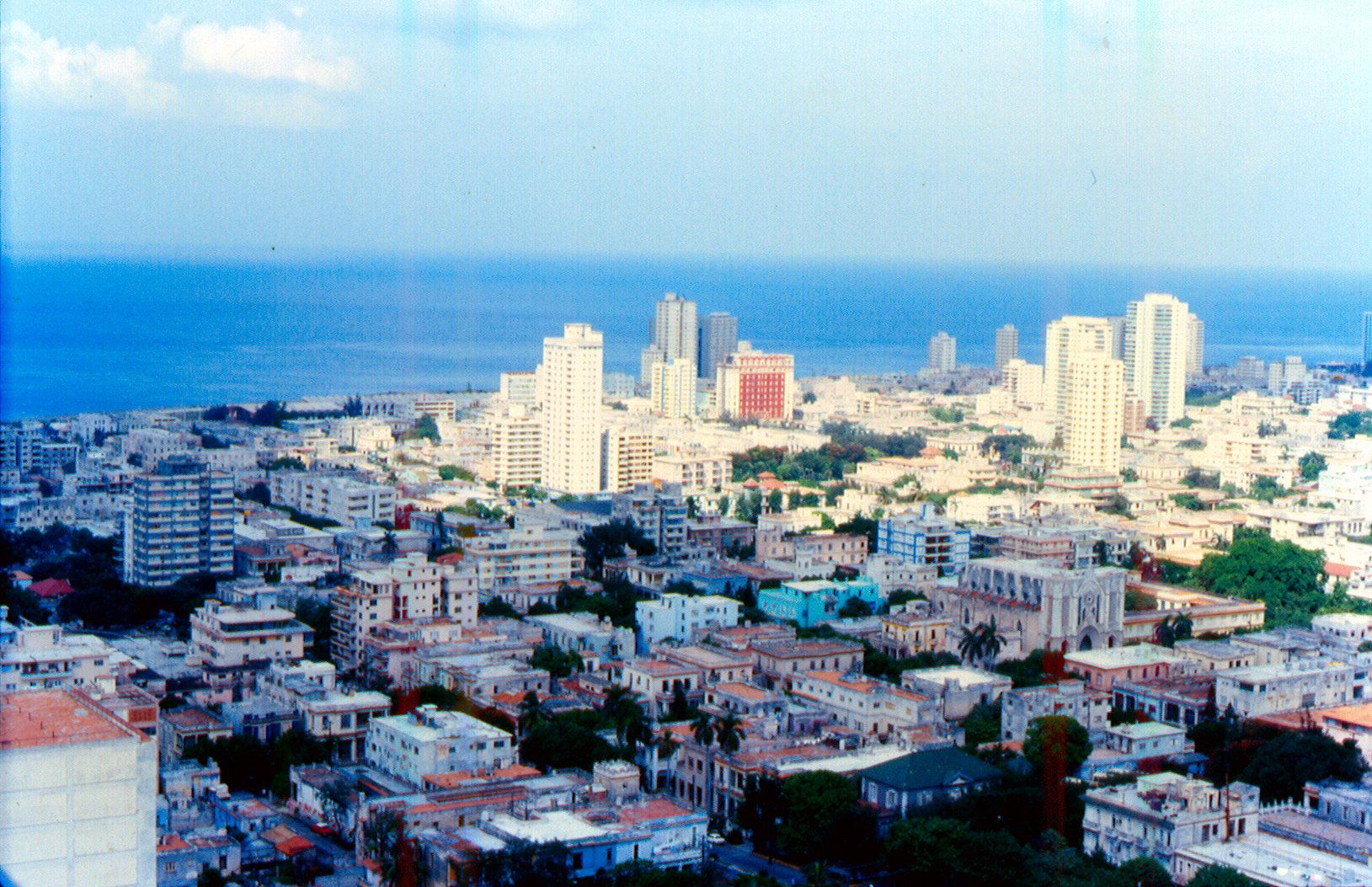
Cuba is a time capsule of colonial architecture, classic cars, salsa music, and Caribbean beaches. Havana's crumbling grandeur, Trinidad's cobblestone streets, and Vinales' tobacco valleys create an experience unlike anywhere else.

🛡️

Safety Summary

Cuba is one of the safest Caribbean destinations. Violent crime against tourists is very rare. Petty theft and scams (especially in Havana) are the main concerns. Be cautious with unofficial taxi drivers and currency exchange.

🛂

Visa & Entry

Most visitors need a tourist card (tarjeta de turista) which can be purchased from the airline or embassy. US citizens face additional restrictions under OFAC regulations and must travel under a licensed category. Passports must be valid for at least six months. Travel insurance is mandatory.

🏥

Health & Vaccines

Tap water is not reliably safe — drink bottled or boiled water. Hepatitis A and typhoid vaccinations are recommended. Mosquito-borne diseases including dengue are present. Bring any medications you need as pharmacies have limited stock. Healthcare is free for emergencies but facilities are basic.

⚖️

Local Laws & Customs

Criticising the government can lead to detention. Photography of military and police personnel is restricted. Importing or exporting Cuban pesos is prohibited. Drug offences carry severe penalties. Internet access is limited and controlled.

🚌

Transport

Viazul tourist buses connect major cities. Classic car taxis are iconic but negotiate the fare beforehand. Colectivos (shared taxis) are cheaper for longer routes. Domestic flights connect Havana with other cities. Bicycle taxis (bicitaxis) are common in towns.

💳

Money & Payments

The currency is the Cuban Peso (CUP). Since 2021, the convertible peso (CUC) has been eliminated. US credit and debit cards generally do not work. Bring Euros or Canadian Dollars in cash to exchange. ATMs are unreliable. Tipping in foreign currency is appreciated.

📅

Best Time to Visit

November to April is the dry season with comfortable temperatures. July and August are very hot and humid. Hurricane season runs June to November. December to February is peak season with higher prices.

🫱

Cultural Etiquette

Cubans are warm, musical, and deeply social. Greeting with a cheek kiss is common. Sharing food and drink is an important gesture. Casas particulares (homestays) offer authentic cultural immersion. Salsa dancing is part of daily life.

Do You Need a Visa?

Select your passport to get personalised entry requirements.

Check your entry requirements

Weather Right Now

Live conditions from MET Norway. Updated hourly.

Santiago de Cuba
22°C
Clear sky
Wind 2.8 m/sHumidity 90.4%

How Does It Compare?

Score History

2026-04-05 — 2026-04-08
05101520252026-04-052026-04-062026-04-072026-04-08

Busiest Airports

Major international gateways

✈️
José Martí International
Havana·MUHA
30flights per day
RegionalBusyMajor hub

Source: ACI World Airport Traffic Report. Approximate daily average.

Our Sources

Every score is traceable. Here's exactly where our data comes from.

Human Development
A United Nations measure of education, health, and income levels.
3/5
0.762
2023
Current
Official Travel Advisory
An official government travel advisory for this destination.
5/5
No restrictions
2026
Current
Official Travel Advisory
An official government travel advisory, from Level 1 (safe) to Level 4 (do not travel).
3/5
Level 2
2026
Current
Official Travel Advisory
An official government travel advisory for this destination.
2/5
Avoid non-essential travel
2026
Current
Democracy & Freedom
An independent rating of political rights and civil liberties.
0/5
NF
2026
Current
Corruption Index
Transparency International's measure of public sector corruption.
3/5
42
2023
Current
Health Coverage
WHO Universal Health Coverage Index — access to essential health services.
5/5
86
2023
Current

Reviewed by Haakon Skramstad · Last reviewed

© 2026 Vardekort. All rights reserved.