Broadly safe for most visitors, with only routine travel precautions needed. Public health and infrastructure are well developed.
Regional breakdown
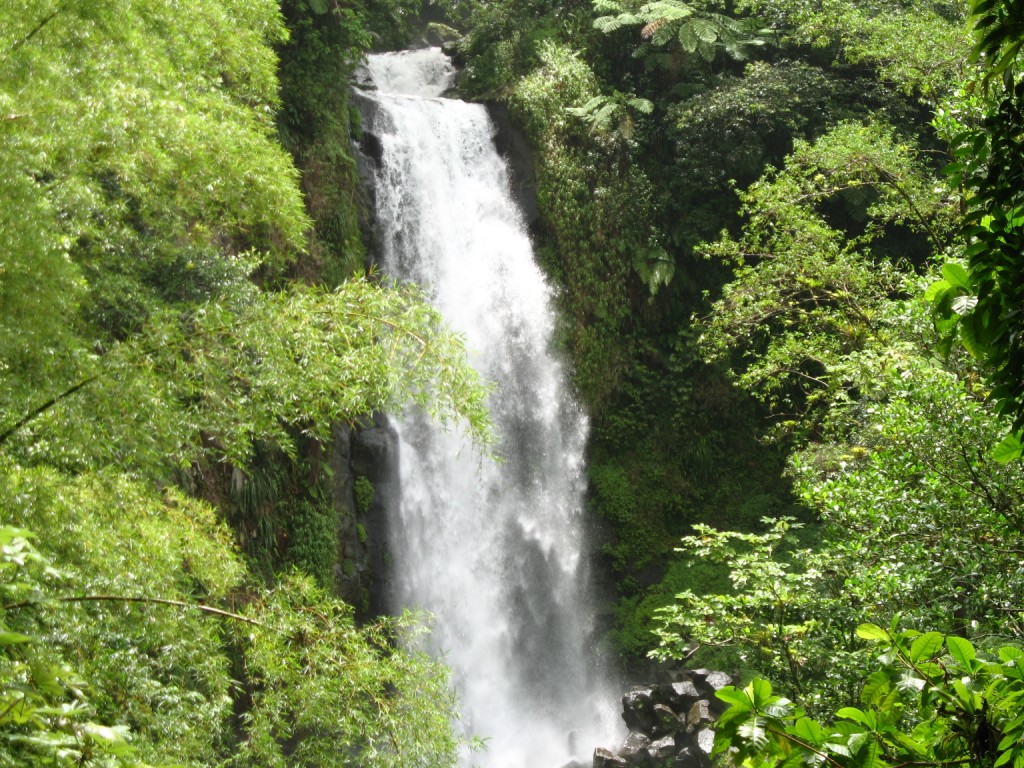
Dominica is a small Eastern Caribbean island. Neither the UK nor the US flags any specific zone for extra caution. Travel guidance applies the same way across the whole country. Roseau, the capital on the south-west coast, sees the heaviest cruise traffic. Petty theft and bag-snatching can happen near the cruise berth and the Old Market area, especially on busy ship days. Portsmouth, the second town in the north, is the gateway to the Indian River and Cabrits National Park. It is quieter, but travellers should still keep valuables out of sight when walking after dark. The interior holds the main draw for most visitors. Morne Trois Pitons National Park, a UNESCO site, contains Boiling Lake, Trafalgar Falls and the Valley of Desolation. Trails here are steep, slippery and often poorly marked. Hiring a local guide is the standard recommendation for the longer routes. The east coast around Calibishie and the Kalinago Territory is rural and remote, with limited mobile coverage in places. Roads across the island are narrow, winding and prone to landslides during heavy rain. Drivers use the left, and many rental firms ask visitors to buy a temporary local licence on arrival.
Recent advisory changes
The official advisory guidance page for Dominica was last updated on 10 December 2025. The change related to entry rules for dual nationals returning to the UK, not to any new safety concern on the island. The official advisory guidance does not warn against travel to any part of Dominica right now. The official advisory guidance keeps Dominica at Level 1, Exercise Normal Precautions. The current advisory was reissued on 22 August 2024 after a periodic review with minor edits. Level 1 is the lowest of the four US tiers and signals no elevated risk above the everyday caution suggested for international travel. Neither government has issued an ordered departure or authorised departure for staff. Both positions have held steady through the 2025 hurricane season and into early 2026. Which is unusual stability for a Caribbean island and reflects the absence of recent unrest. Major crime spikes or political flashpoints.
What travellers should know
Hurricane season runs from June to November and is the single biggest planning factor. Dominica was hit hard by Hurricane Maria in 2017 and rebuilding work continues in some rural areas. Travellers in this window should track forecasts National Hurricane Center and keep flexible plans. Heavy rain at any time of year can trigger flash floods and landslides on mountain roads. Which sometimes cuts off villages for a day or two. Health cover should include medical evacuation. The main hospital is Dominica-China Friendship Hospital in Roseau, and serious cases are usually flown to Martinique, Barbados or Miami. There is no US embassy on the island; consular help for travellers comes from the embassy in Bridgetown, Barbados. travellers are covered by the international High Commission in Bridgetown. ATMs are available in Roseau and Portsmouth but card acceptance drops off quickly outside the towns, so carrying some Eastern Caribbean dollars is sensible. Watersports operators vary in standards, and travellers should check that dive and boat firms are properly licensed before booking.