Exercise caution — there are real risks that travellers should plan around. Political freedoms are limited and travellers should be mindful of local sensitivities.
Regional breakdown
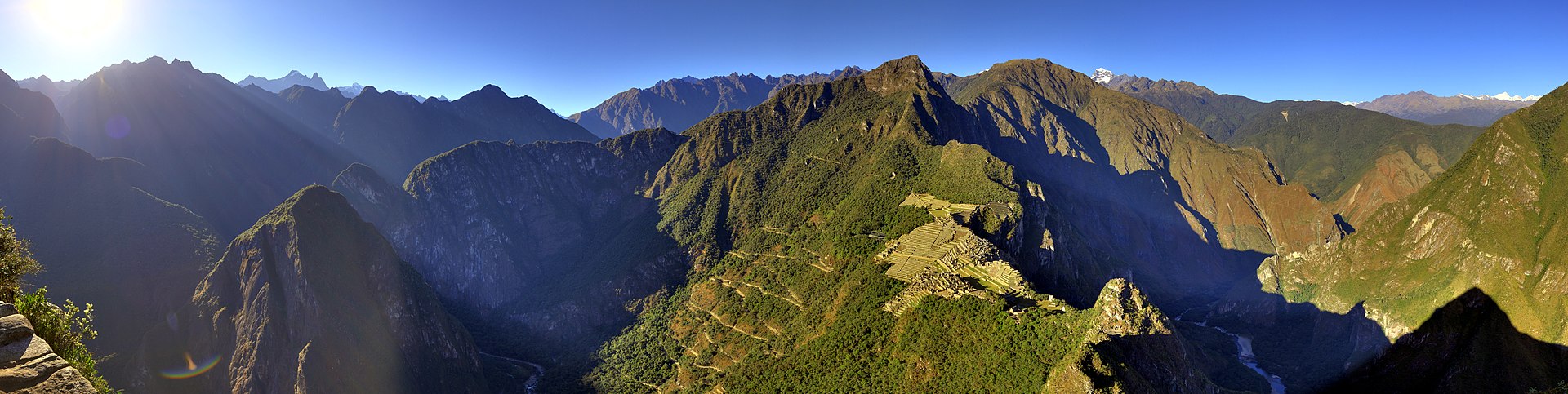
The picture across Peru is uneven. The official advisory guidance warns against all but essential travel to a 20km strip south of the Putumayo River along the Peru-Colombia border in the Loreto region. The Amazon River corridor and the triple-border towns from Caballococha to Santa Rosa de Yavari are carved out as exceptions. The other flagged zone is the VRAEM, the Valley of the Apurímac, Ene and Mantaro Rivers. Where remnants of armed groups and coca trafficking drive the warning. The official advisory guidance mirrors this. It places the Colombia-Peru border area and the VRAEM at Level 4 Do Not Travel. It also flags pockets inside the Ayacucho, Cusco, Huancavelica and Junín departments at the same level. While making clear that Cusco city itself and the main Machu Picchu tourist circuit sit outside those pockets. Lima and Callao are under their own pressure right now. A Camisea gas pipeline rupture has triggered natural gas shortages, with public sector remote work and remote classes rolled out for roughly two weeks. Arequipa, Puno and Cusco have all seen protest activity disrupt roads and rail in past cycles. So travellers moving between regions should plan around possible blockades.
Recent advisory changes
The official advisory guidance refreshed its Peru page on 7 March 2026. The update keeps the long-standing carve-outs for the Putumayo border strip and the VRAEM. And adds the current state of emergency tied to the gas pipeline incident. Travellers are told to avoid large gatherings and protests and to expect a heavier military and police presence on the streets. Particularly in Lima and Callao. The official advisory guidance last reissued its Peru advisory on 16 May 2025, holding the country at Level 2, Exercise Increased Caution. The Level 4 Do Not Travel pockets inside Ayacucho, Cusco, Huancavelica and Junín have not changed. Washington also calls out that crime, including theft, carjacking and assault, happens in daylight. That kidnapping is rare but does occur, and that demonstrations regularly close roads without warning. Both governments are aligned on the same hot zones, though London is currently more vocal about the short-term emergency measures in the capital.
What travellers should know
Insurance is the first practical point. The official advisory guidance notes that travel insurance can be invalidated if you enter an area it warns against on anything other than essential business. That means a trip into the VRAEM or the flagged Loreto border strip could leave you without medical or evacuation cover. Check the policy wording before booking internal flights or river trips that touch these zones. On the ground, plan for disruption rather than drama. Road closures from protests can cut off airport access in Cusco, Arequipa and Puno with little notice, so build buffer days around international flights. Keep valuables out of sight in Lima, Callao and Cusco, use registered taxis or app-based rides rather than street hails, and watch drinks in bars. Both governments warn against Ayahuasca and Kambo ceremonies, citing documented cases of serious illness and deaths. If altitude is part of the itinerary, acclimatise in Cusco or Arequipa before pushing on to Puno or trekking routes. And carry a copy of your passport and entry stamp while leaving the original in the hotel low-risk.